
Asian Community Health Community Nurse Services
Iron Infusion
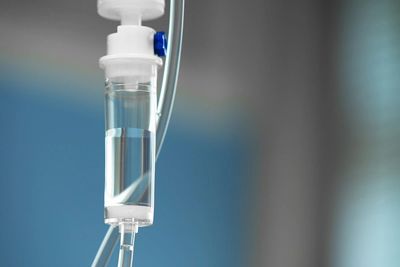
An iron infusion is a medical procedure in which iron is delivered directly into the bloodstream via an intravenous (IV) drip. This method is used to treat iron deficiency anemia or to boost iron levels when oral supplements are insufficient or not well tolerated. The infusion allows for rapid replenishment of iron stores and can improve symptoms like fatigue and weakness more quickly than oral supplements.
To know more about Iron Infusion
Iron infusions are typically recommended for individuals who need a rapid or substantial increase in iron levels and are unable to achieve this through oral supplements. Common reasons include:
- Iron Deficiency Anemia: When oral iron supplements are ineffective or cannot be tolerated, an infusion may be needed to quickly restore iron levels.
- Chronic Kidney Disease: Patients with chronic kidney disease often have anemia related to reduced erythropoietin production, and iron infusions can help manage this condition.
- Gastrointestinal Conditions: Conditions such as Crohn's disease or ulcerative colitis, which impair iron absorption, may require infusions for effective treatment.
- Significant Blood Loss: Following major surgeries or trauma with substantial blood loss, iron infusions can help replenish iron stores more efficiently.
- Pregnancy: Pregnant women with severe iron deficiency who cannot tolerate oral iron might need infusions to support their health and the health of the baby.( recommended You should try oral iron supplements and avoid iron infusion in the first trimester of pregnancy where possible.
Iron infusions are administered under medical supervision and involve monitoring for potential side effects and ensuring appropriate dosing.
Before getting an iron infusion, consider the following:
- Medical History: Inform your healthcare provider about any existing health conditions, allergies, or previous reactions to iron infusions. Conditions such as heart disease or chronic infections can affect the decision to use an infusion.
- Screening blood test: for Low iron test must be presented, test can be arranged through your own health professional or book with us for a Screening blood test appointment.
- Purpose and Benefits: Understand why the infusion is being recommended and what benefits you might expect, particularly regarding managing iron deficiency or anemia.
- Potential Risks and Side Effects: Be aware of possible side effects, which can include allergic reactions, fever, headaches, or pain at the infusion site. Discuss these with your healthcare provider to understand what to watch for.
- Procedure Details: Know what the infusion process entails, including how long it will take, what preparation is needed, and any post-infusion care instructions.
- Alternative Treatments: Consider discussing other iron supplementation options or treatments with your healthcare provider, especially if you have concerns about the infusion.
By being well-informed and discussing these aspects with your healthcare provider, you can help ensure a safe and effective iron infusion experience.
Some people report feeling a little lethargic, and the next day their urine will be a darker color. An iron infusion instantly raises the body’s iron levels. It is quicker than supplements or diet changes. Low iron levels and anaemia improve immediately. It also helps heart problems, kidney problems and preparing for surgery. The physical benefits include more energy and easier breathing. The benefits are felt within a few weeks of the iron infusion. The cause of your iron deficiency or anaemia will limit the time the benefits last. Some medical treatments, regular blood loss (menstruation, bleeding disorders), gastric function, chronic disease or diet (vegan, vegetarian) may cause iron loss. The benefits of an iron infusion may last anywhere from several months to a few years.
After having an iron infusion, follow these steps to ensure a smooth recovery:
- Stay Hydrated: Drink plenty of fluids to help your body process and eliminate the iron effectively.
- Monitor for Side Effects: Be alert for any side effects such as pain at the infusion site, fever, or allergic reactions. Contact your healthcare provider if you experience unusual symptoms.
- Rest and Recovery: Allow yourself time to rest, especially if you feel fatigued or unwell after the infusion.
- Follow-Up Care: you will repeat blood test at 6 weeks and 12 weeks.
- you must stop any oral iron tablets or iron liquids after your Iron Infusion. if you are not sure check with your health professional.
- Avoid Strenuous Activities: Refrain from heavy exercise or strenuous activities immediately after the infusion to avoid undue stress on your body.
- Adhere to Instructions: Follow any specific post-infusion care instructions provided by your healthcare provider, including any dietary or lifestyle recommendations.
These steps help ensure that you get the maximum benefit from the infusion and recover comfortably.
Ferinject (ferric carboxymaltose) infusion can cause side effects, though not everyone will experience them. Possible side effects include:
- Allergic Reactions: Rash, itching, swelling, or severe reactions like difficulty breathing, which may require immediate medical attention.
- Injection Site Reactions: Pain, redness, swelling, or irritation at the site of the infusion.
- Gastrointestinal Symptoms: Nausea, vomiting, or abdominal discomfort.
- Headache or Dizziness: Some individuals might experience headaches or feel dizzy.
- Flu-like Symptoms: Fever, chills, or muscle aches.
- Temporary Changes in Blood Pressure: Rarely, the infusion may affect blood pressure.
Most side effects are generally mild and temporary. If you experience any severe or persistent symptoms, contact your healthcare provider for guidance.
Contact Us For Iron Infusion Treatment
Contact Us For Iron Infusion Treatment
Unity Care
level 13, 175 Queen Street, Auckland Central, Auckland 1010, New Zealand
Hours
Open today | 09:00 – 17:00 |